
There is a moment in almost every shoot when someone looks at the monitor and says, “That is a beautiful frame.” It feels like success. Sometimes it is. But beauty alone does not make an editorial.
A fashion editorial is a small world with its own temperature, pace and logic. The clothes belong to that world. So do the casting, the location, the way the model holds a hand, the distance between two frames and the image you decide not to publish. When those choices pull in the same direction, a reader feels the story before they can explain it.
That is fashion editorial storytelling: not adding a dramatic paragraph after the shoot, but giving every visual decision a reason to exist.
Know what the shoot is for
Before anyone steps on set, decide where the work is meant to live. Is this a story for a magazine, a client commission, a personal experiment or a shoot made to strengthen a portfolio? The answer changes the number and orientation of images, how clearly the clothes must read, how much room there is for risk and what the final edit needs to prove.
Then ask a more important question: what does the author want the images to say? The idea may be narrative, political, emotional or purely visual. Sometimes the most honest idea is simply to hold the beauty of a fleeting moment. That is still a purpose — but the team needs to understand what kind of beauty, and what they should be ready to notice.
A clear destination and a clear intention keep the shoot from becoming a collection of unrelated good decisions.
Start with a tension, not a trend
“Red,” “minimal” and “summer” are moods, not concepts. They can be useful ingredients, but they rarely tell a team what the story is actually about.
A stronger starting point contains tension. Soft clothes in an unforgiving architectural space. Formal tailoring worn as if the subject has just escaped a ceremony. A beauty story photographed so close that polish becomes vulnerability. Tension gives the photographer, stylist, model and makeup artist something to interpret.
Before the moodboard grows into fifty references, write one sentence:
This story is about ______, seen through ______.
If the sentence is “This story is about control, seen through clothes that refuse to sit still,” you already have questions to answer. What kind of movement? Who is trying to control it? Does the camera observe or participate? Those questions create images. “Blue studio shoot” does not.
Build a moodboard the whole team can read
A moodboard is not proof that the photographer has good taste. It is a shared working language for the photographer, stylist, model, makeup artist, hair artist, producer and anyone else making decisions on set.
Show light, palette, gesture, texture, casting, location and the rhythm of the final sequence. Add a short note explaining what matters in each reference — and what should not be copied. The goal is not for everyone to recreate the same image. The goal is for everyone to imagine the same world before call time.
Build a point of view before a shot list
A shot list keeps a production moving. A point of view makes it worth looking at.
Decide what the camera believes. Is it fascinated by the subject, suspicious of them or standing at a respectful distance? Does the story feel documentary, theatrical, intimate or deliberately artificial? You do not need to use those words in the final publication. The team needs them before call time.
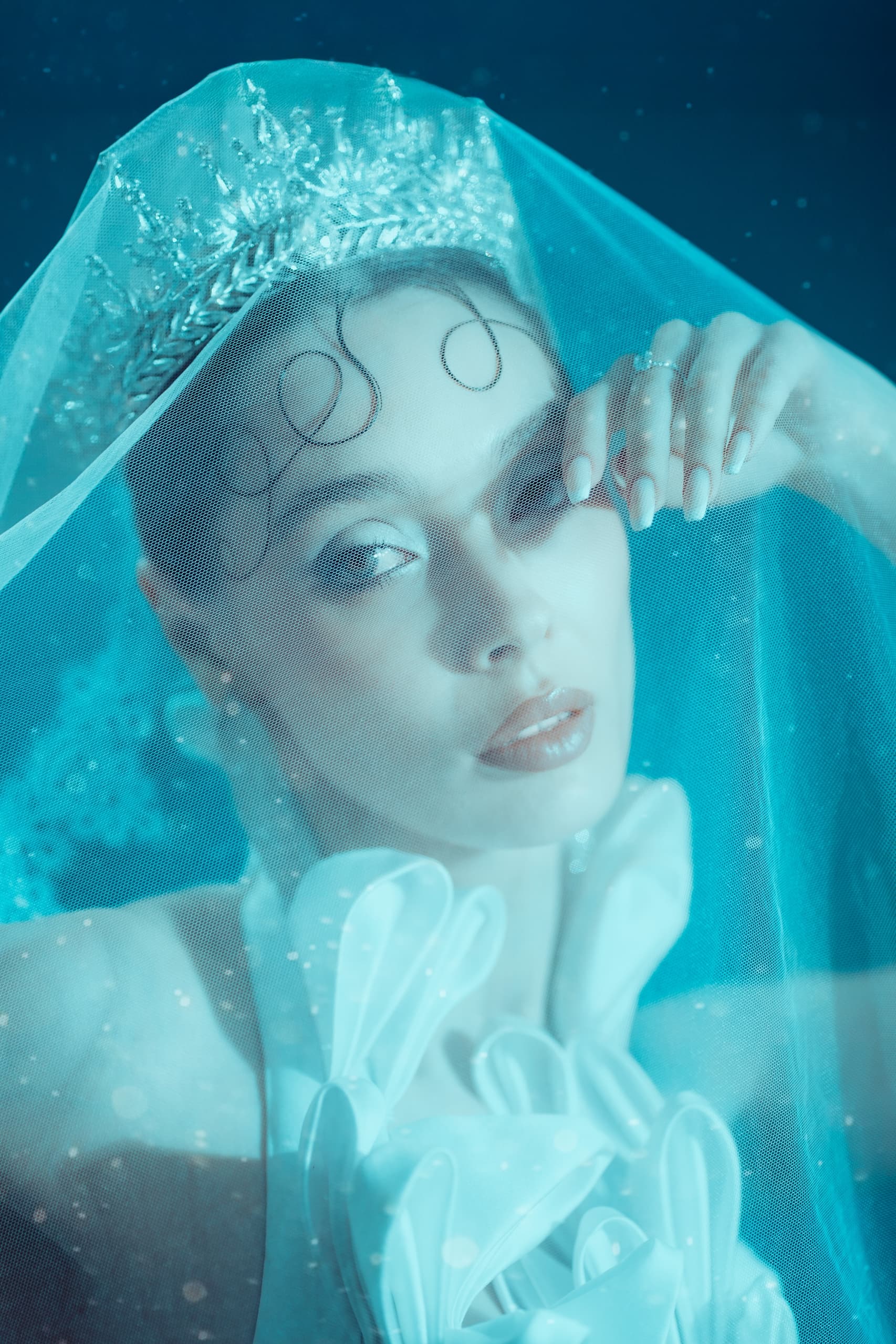
This is where creative direction becomes practical. A close crop can feel intimate in one story and claustrophobic in another. Hard flash can read as spontaneous, aggressive or nostalgic. There is no universal “editorial look.” There is only a visual choice that supports the idea — or distracts from it.
Casting changes the meaning of clothes
The same look tells a different story on every person. Casting is not the final production task; it is part of the concept.
Think beyond whether someone can “pull off” a garment. What kind of presence does the story need? Stillness? Mischief? Severity? A face that seems to hold a secret? An editorial becomes more convincing when the subject feels like a character rather than a hanger.
That also means giving the model useful direction. “Be strong” is vague. “You have arrived too early and decided not to leave” creates an inner situation. The body usually finds something more interesting when the mind has somewhere to go.
Let styling create verbs
Good styling does not only show what a garment is. It suggests what the garment is doing.
A coat can protect, swallow, announce or disguise. Jewellery can punctuate a look or make it feel ceremonial. A shoe can change posture before it changes silhouette. When styling is treated as action, the clothes begin to participate in the story.
This is why the most expensive look is not automatically the strongest one. An editorial needs rhythm. If every frame shouts, nothing lands. Give the story quiet looks, strange looks and one image that changes the register.
Use location as an argument
Location should do more than match a colour palette. Ask what it contributes.
A spotless room can make a handmade garment feel vulnerable. A domestic space can pull couture back into ordinary life. A field can make a polished look feel absurd, romantic or defiant depending on the light and the body inside it.
When the location is only a background, the frame goes flat. When it pushes against the clothes, it becomes part of the narrative.
Edit for rhythm, not for individual favourites
The hardest part of fashion editorial photography often happens after the shoot. A memorable series is not a greatest-hits folder.
Lay the images out together. Find the opener that creates a question, not the one that explains everything. Follow a wide frame with a detail. Let a quiet portrait sit beside movement. Remove two photographs that make the same point, even if both are excellent.
A useful test is to hide one frame. If the story becomes clearer, the image was probably competing with the sequence. If the story loses a beat, the frame was doing real work.
Make the work recognisably yours
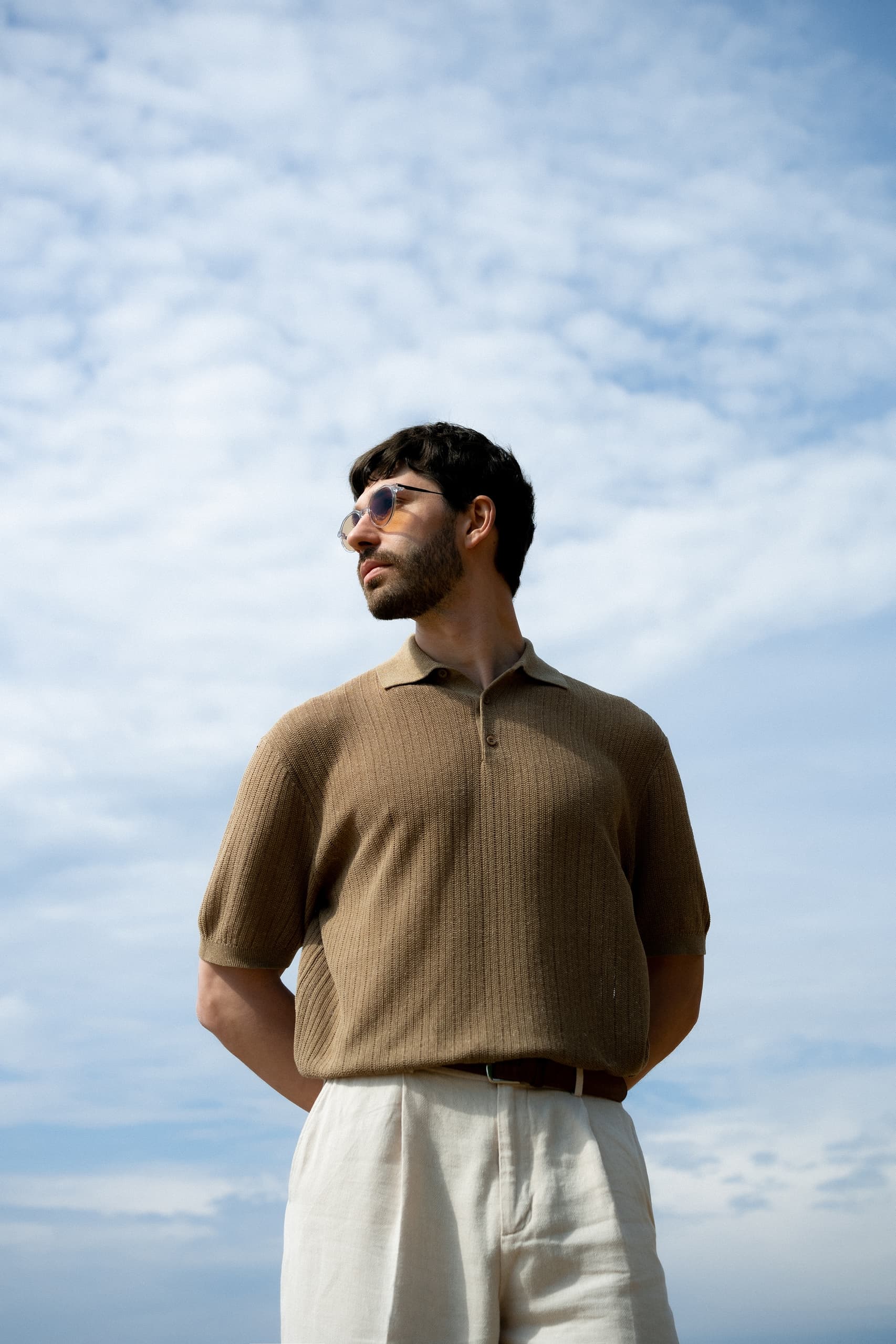
Personal style is not a preset, a repeated pose or one lighting setup used forever. It lives in the choices you return to: how close you stand, what kind of gestures interest you, how you use colour, which tensions you notice and what you leave outside the frame.
Protect those instincts while allowing the subject to change you. The aim is not to make every shoot look identical. It is for an editor to recognise the same author across different people, clothes and locations.
Leave one door open
An editorial should be legible, but it does not have to close every meaning. Readers remember images that give them room to participate.
The goal is not to prove how clever the concept was. The goal is to create a world precise enough to enter and open enough to revisit.
Before you submit, ask:
- Can the idea be felt without the project description?
- Does every frame add a new beat?
- Are the clothes visible without becoming catalogued?
- Do the credits and order of images feel considered?
- Is there one photograph the reader will still remember tomorrow?
If the answer is yes, you may have more than a beautiful shoot. You may have a story.
Explore the current Marika covers, then review the submission routes when your own editorial is ready.